 No Duties or Customs Fees For EU & UK Customers
 Express Tracked UK Delivery On 1000s of Items
 90 Day Returns

What Is Seasonal Sports Gear and Why It Matters
BLG
Choosing the right kit for each season is more than a matter of comfort – it is the difference between staying safe outdoors and weathering the unexpected. For anyone active in the United Kingdom’s famously changeable climate, understanding how seasonal sports gear is engineered to meet shifting weather and terrain makes all the difference. This article breaks down the core concepts behind gear built for British winters, temperamental springs, and balmy summer days, helping you confidently select clothing and equipment that truly supports your favourite activities year-round.
Table of Contents
- Seasonal Sports Gear Explained And Core Concepts
- Types Of Seasonal Sports Gear By Activity
- Key Features: Performance, Safety, And Fit
- How Gear Adapts To Weather And Conditions
- Common Mistakes In Choosing And Using Gear
- Practical Tips For Uk Buyers And Compliance
Key Takeaways
| Point | Details |
|---|---|
| Seasonal Gear Importance | Seasonal sports gear is essential for optimising performance, comfort, and safety tailored to specific weather conditions. |
| Layering Systems | Effective layering allows adaptability in fluctuating temperatures, making it vital for transitional seasons such as Spring and Autumn. |
| Function Over Aesthetics | When purchasing gear, prioritise functionality and fit over appearance and price to ensure optimal performance. |
| Consumer Rights Awareness | Familiarise yourself with UK consumer protection laws to confidently handle issues with faulty gear or inappropriate purchases. |
Seasonal sports gear explained and core concepts
Seasonal sports gear is specifically designed equipment that adapts to the unique demands of each time of year. Rather than owning one generic set of kit that you struggle with across all seasons, seasonal gear targets the exact conditions you’ll face. Think of it this way: your summer trail running shoes won’t keep your feet dry through a Scottish winter, and your insulated winter jacket becomes unbearable sweat-soaked weight on a warm summer’s day. This targeted approach matters because the right gear directly impacts your safety, comfort, and how well you actually perform.
The core concept centres on how seasonal changes affect activity levels and equipment needs. When temperatures drop, you need thermal layers, waterproof outer shells, and insulated footwear to maintain body heat and protect against moisture. Winter sports like snowboarding or fell walking demand boots with grip suitable for snow and ice, along with protective padding for falls. As the weather warms through spring and summer, your priorities shift entirely. You’re now dealing with sun exposure, heat management, and breathability rather than insulation. Summer gear emphasises lightweight materials, moisture-wicking fabrics, and UV protection to keep you cool whilst preventing sun damage during long hours outdoors.
The practical reality is that seasonal sports gear reflects genuine adaptations to local climate conditions. In the UK, where weather patterns shift dramatically through the year, having equipment suited to each season means you can stay active consistently without compromising on performance or safety. Water resistance becomes critical from autumn through spring when rain is frequent. Breathability matters most in summer when you’re generating significant heat. Spring and early autumn often demand layering systems that let you adjust as temperatures fluctuate throughout the day. This isn’t just about comfort either—proper seasonal gear reduces risks associated with environmental pressures like hypothermia in winter or heat-related illness in summer.
You’ll find seasonal collections particularly useful across different sports. Golfers benefit from waterproof options during wetter months, whilst waterproof golf shoes become essential when morning dew soaks the fairways from October through April. Hikers and outdoor enthusiasts need different clothing layers depending on whether they’re tackling moorlands in January or exploring coastal paths in July. Racket sports players find that winter requires more coverage and grip management, whilst summer play demands better ventilation in clothing and improved sightlines without excess bulk.
Pro tip: Build your seasonal kit systematically by starting with one core piece each season—perhaps a winter waterproof jacket or summer moisture-wicking base layer—then gradually add complementary pieces as your budget allows, rather than buying a complete wardrobe at once.
Types of seasonal sports gear by activity
Different sports demand completely different gear, and that demand shifts dramatically with the seasons. A golfer’s winter kit looks nothing like their summer setup. A fell walker in August needs entirely different protection than one tackling the peaks in February. The reason is straightforward: each activity places unique stresses on your body and equipment, and each season compounds those demands in specific ways. Understanding what gear matters for your particular sport and season means you spend your money wisely and actually enjoy your time outdoors.
Winter Sports Gear
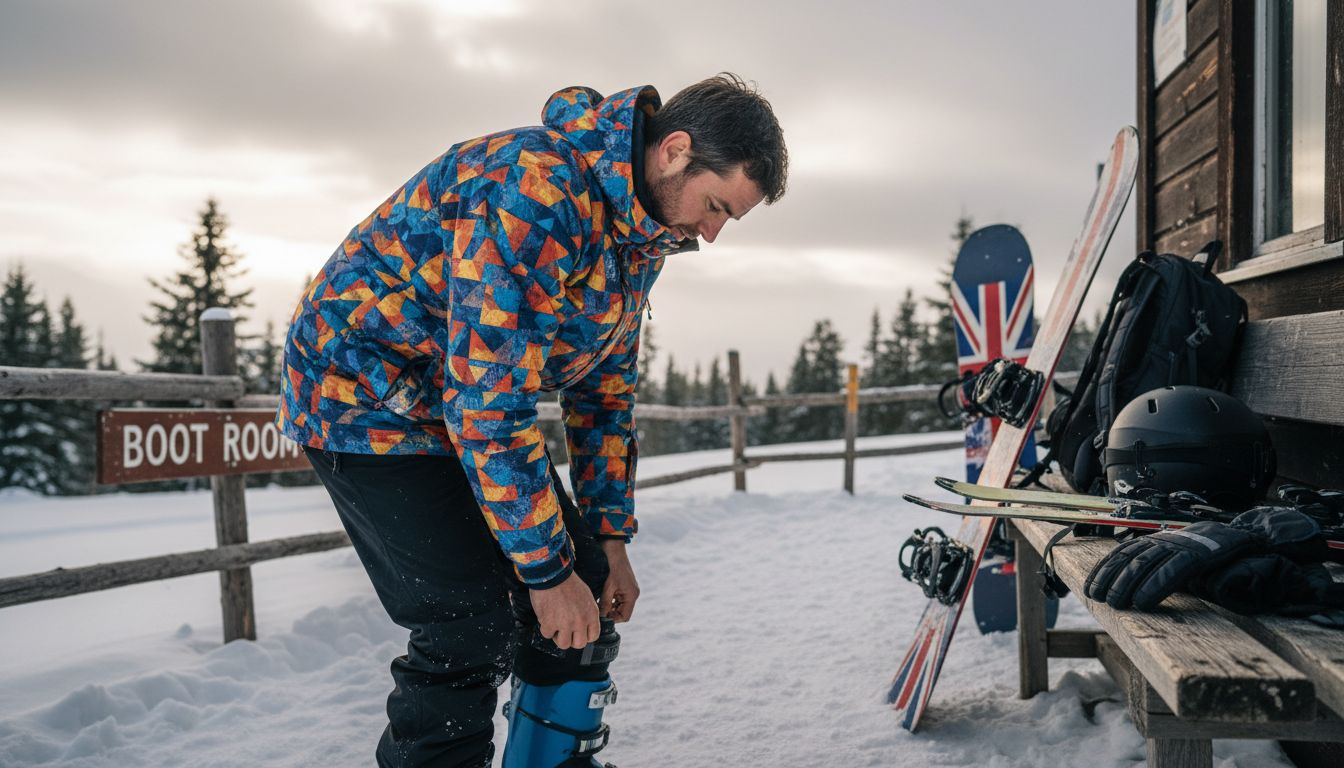
Winter activities like skiing, snowboarding, and ice skating require specialised equipment built to handle extreme cold and moisture. You’ll need insulated jackets and trousers that trap warmth whilst repelling snow and sleet. Hands get bitterly cold quickly, so waterproof insulated gloves become non-negotiable. Feet are equally critical—insulated, waterproof boots with aggressive sole patterns prevent slipping on ice and maintain circulation. Beyond clothing, you need sport-specific equipment managing temperature and moisture such as thermal base layers, face masks, and goggles for visibility in wind and snow. Winter cyclists need different considerations entirely: mudguards to keep spray off, grip-friendly gloves, and lights because daylight hours shrink dramatically.
Summer and Warm Weather Sports
Warm months flip your gear priorities completely. Running, cycling, swimming, and beach sports all prioritise moisture-wicking fabrics that pull sweat away from skin, keeping you dry and preventing chafing. UV protection becomes serious business—exposed skin burns quickly during summer activity, so many summer athletes choose clothing with inbuilt sun protection. Lightweight footwear designed for breathability prevents overheating, and hydration systems become central to your kit. For water sports, you’re looking at minimal coverage that dries quickly. For land-based activities, think ventilated tops and shorts with strategic mesh panels. Summer also means you can get away with less bulk overall, which matters when you’re carrying kit on longer outings.
Transitional Season Adaptability
Spring and autumn present unique challenges because conditions shift unpredictably. You might start a run in cool morning temperatures and finish in warm afternoon sun. This is where layering systems shine—you want base layers that wick moisture, mid-layers that trap warmth, and outer shells you can remove and tie around your waist. Water-resistant rather than fully waterproof outerwear works well here because it stops drizzle without creating sweat buildup. Footwear needs to handle potentially wet ground without being as heavily insulated as winter boots. Many UK outdoor enthusiasts keep transitional season gear as their most-used collection simply because our weather rarely stays consistent for long.
Activity-Specific Considerations
Beyond seasonal differences, your specific sport shapes what you actually need. Golfers require weather protection that doesn’t restrict swing movement and footwear with ground grip on potentially wet turf. Hikers and fell walkers need ankle support from footwear, layering flexibility, and waterproofing since exposure on high ground matters more than in valleys. Racket sports players need freedom of movement and good grip in their footwear. Runners prioritise cushioning and breathability. Each activity imposes constraints that your seasonal gear must satisfy. When you’re choosing new kit, consider what your actual activity demands first, then layer in the seasonal requirements.
The practical approach is to build around core pieces. Start with a winter waterproof jacket for your sport, then add base layers and insulated trousers. For summer, acquire a breathable jersey and lightweight shorts appropriate to your activity. In transitional seasons, your mid-layers and water-resistant shells become your primary focus. This methodical building prevents waste and ensures each piece genuinely serves your activities throughout the year.
Here is a comparison of seasonal sports gear priorities by activity and weather:
| Activity | Winter Focus | Summer Focus | Transition Season Focus |
|---|---|---|---|
| Fell Walking | Insulated boots, thermal layers | Lightweight layers, sun hats | Layering flexibility, water resistance |
| Running | Thermal base, reflective gear | Breathable fabrics, hydration | Mid-layers, packable wind shell |
| Golf | Waterproofs, warm gloves | UV-blocking shirts, light shoes | Water-resistant shoes, versatile trousers |
| Cycling | Mudguards, insulated gloves | Ventilated jerseys, sun sleeves | Removable layers, wind vest |
| Racket Sports | Coverage, grip, thermal socks | Ventilated attire, sweatbands | Layered kit, adaptable footwear |
This summary illustrates how each sport’s needs change with the British seasons.
Pro tip: When buying seasonal gear for a new activity, prioritise items that serve multiple seasons first—a good quality waterproof outer layer works across autumn, winter, and spring, whereas highly specialised summer kit only gets used for three months.
Key features: Performance, safety, and fit
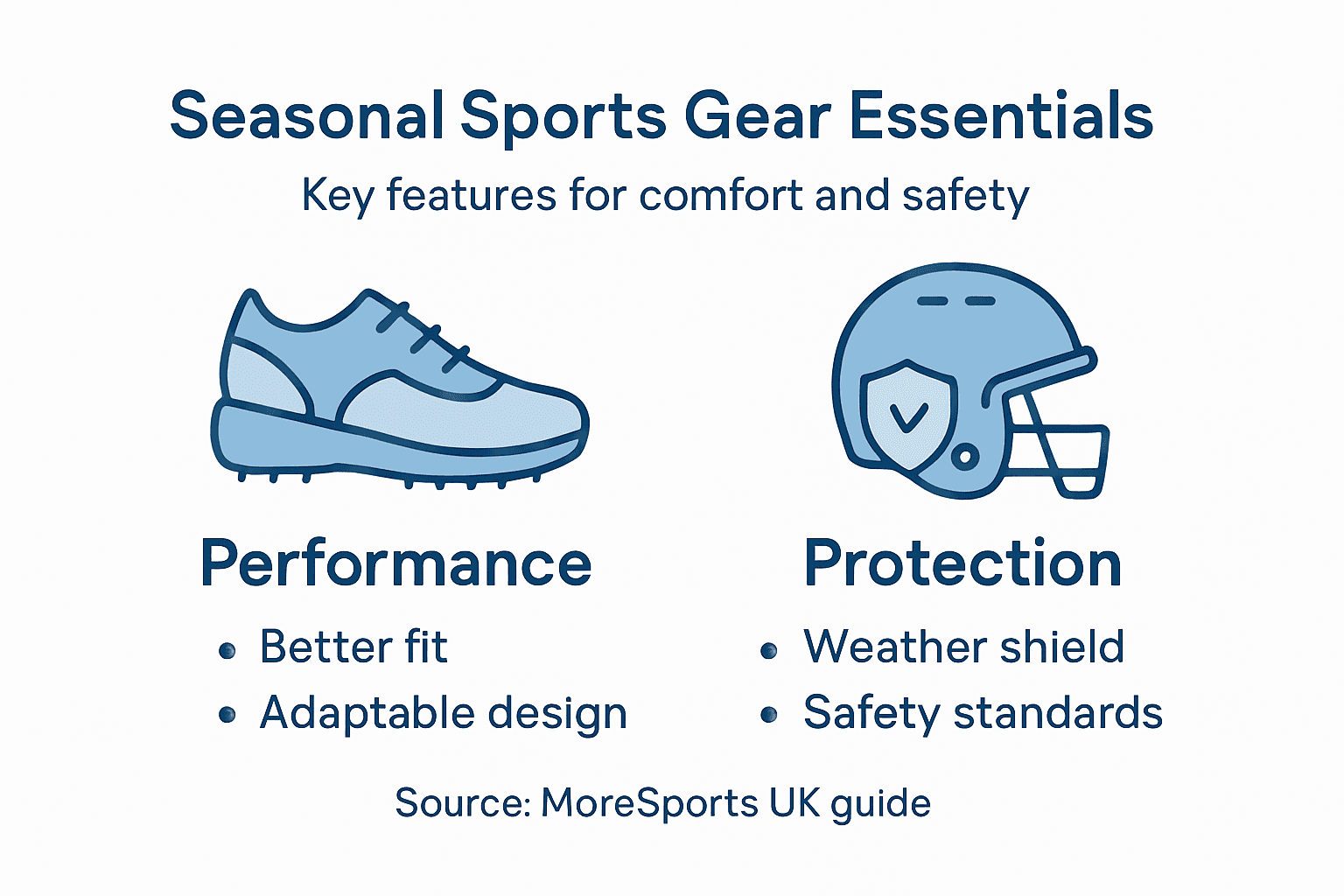
Good seasonal sports gear does three things simultaneously: it enhances how you perform, keeps you safe from injury, and fits your body properly. Miss any one of these pillars and you’ve wasted your money. A jacket that fits perfectly but doesn’t repel water won’t protect you on a rainy autumn hike. Gear that performs brilliantly but pinches your shoulders becomes unbearable after thirty minutes. Understanding these three interconnected features helps you make smart purchasing decisions rather than just buying whatever looks good on the shop shelf.
Performance Enhancement Through Design
Performance in seasonal sports gear means your equipment actively helps you do what you came to do. This works differently depending on your activity. For runners and cyclists, performance means lightweight materials that don’t slow you down, combined with aerodynamic cuts that reduce wind resistance. For golfers, it means gear that allows a full, unrestricted swing whilst managing moisture and temperature. For hikers, performance means footwear with optimal grip and support that reduces fatigue over long distances. The materials matter profoundly here. Merino wool base layers regulate temperature better than cotton. Technical fabrics that manage moisture through advanced technologies keep sweat from building up and cooling you excessively. Sole patterns on hiking boots grip wet rock differently than patterns on road running shoes. Every element serves a purpose related to your actual performance in that activity.
Motor control and handling improve with properly engineered gear. Winter gloves need enough dexterity to operate equipment or adjust kit, not so much insulation that your fingers become numb clubs. Cycling jerseys need pockets positioned so you can access them without removing layers. Jackets need ventilation systems that let you release heat without removing the entire layer. These details sound minor until you’re shivering on a winter walk and can’t reach your emergency snacks because the jacket pockets are useless. Performance gear anticipates your actual needs during the activity, not just in ideal conditions.
Safety Through Protection and Standards
Safety features in seasonal sports gear address two distinct challenges: protecting you from environmental hazards and reducing injury risk from falls or impacts. Waterproof outer shells protect against hypothermia in cold, wet conditions. UV protective clothing prevents sun damage and heat-related illness. Insulated layers maintain core body temperature, protecting against cold shock. These environmental protections aren’t optional extras—they’re fundamental safety mechanisms that prevent serious medical emergencies.
Other safety features address activity-specific risks. Hiking boots with ankle support prevent twisted ankles on uneven terrain. Padded cycling shorts reduce saddle soreness and pressure injuries during long rides. Reflective elements on autumn and winter kit make you visible to traffic in low-light conditions. Proper grip on footwear prevents slips on wet surfaces. Sports equipment meeting appropriate protective standards ensures materials and construction withstand foreseeable impacts and stresses. Quality gear manufacturers test their products in the conditions they’re designed for, not in laboratory conditions that bear little resemblance to real use.
Fit and Ergonomic Alignment
Fit determines whether your gear actually stays in place and functions as designed. Too loose and your jacket flaps in the wind, creating drag and cold spots. Too tight and your movement becomes restricted, you overheat through sweat buildup, and you feel uncomfortable enough to quit early. Proper fit means freedom of movement for your specific activity combined with enough contact that nothing shifts during activity.
Beyond basic sizing, ergonomic fit means gear contours match your body’s actual shape. Hiking boots shaped for narrow feet won’t work for broader feet, no matter the size. Running shorts designed for a particular body type might bunch uncomfortably on yours. Quality manufacturers offer multiple fits, not just S, M, L sizing. Adjustable features matter enormously. Straps on rucksacks let you dial in fit. Cuff closures on waterproof jackets let you seal against moisture without cutting off circulation. Waistbands on trousers should sit comfortably without digging in or slipping down when you bend.
The interaction between fit and performance becomes critical in challenging conditions. Loose gloves let wind reach your skin. Baggy trousers restrict stride length. Tight chest panels limit breathing during hard effort. When conditions deteriorate—weather worsens, you’re tired, you’re focused on the activity itself—your gear needs to work without demanding your attention. That only happens when fit is right.
Pro tip: When trying on seasonal sports gear, move in it exactly as you would during your activity; bend your knees as if you’re climbing, swing your arms as if you’re running, rotate your shoulders as if you’re swinging a golf club, then wait five minutes to feel how it settles on your body before deciding.
How gear adapts to weather and conditions
Weather doesn’t stay polite and consistent. Rain turns to sleet. Morning chill becomes afternoon warmth. Wind picks up unexpectedly. Your gear needs to handle these shifts without leaving you stranded feeling uncomfortable or unsafe. The cleverness of modern seasonal sports gear lies in how designers anticipate these changes and build adaptability directly into the materials and construction. Rather than needing completely different outfits for every condition variation, well-designed seasonal gear responds dynamically to environmental pressures as they happen.
Moisture Management Systems
Moisture causes most problems in outdoor activities. Too much and you get cold, chafed, and uncomfortable. Too little and your body overheats. Quality seasonal gear manages this balance through layered systems designed to move sweat away from your skin. Moisture-wicking base layers pull perspiration outward, where outer layers can then evaporate it into the air. This process keeps you dry without requiring you to remove layers or stop moving.
The fabrics themselves do this work. Technical synthetics like polyester and nylon move moisture efficiently. Merino wool, increasingly used in UK outdoor gear, wicks moisture while remaining warm even when damp. Cotton, by contrast, absorbs moisture and holds it against your skin, which is why quality outdoor gear never uses cotton. Weather-responsive materials and moisture management technologies prevent the discomfort and danger of sweat buildup, particularly during hard effort in cold conditions.
During summer and warm weather activities, breathable fabrics take priority. Mesh panels in jackets let air flow through when you’re generating heat. Ventilation zips allow you to open sections and release warmth without removing the entire layer. During winter, the same moisture-wicking principle applies but you add insulation on top. The base layer still moves sweat away, preventing the chill that comes from damp skin. This layering approach works across all seasons because the principle remains constant: move moisture away from your body.
Here are typical fabric choices and their roles in seasonal sports gear:
| Fabric Type | Primary Role | Best Season(s) |
|---|---|---|
| Merino Wool | Breathable insulation | Winter, Spring |
| Technical Synthetics | Moisture management | All-year, especially summer |
| Down | Lightweight warmth | Deep winter |
| Cotton | Absorbs moisture, chills skin | Rarely suitable outdoors |
| Softshell | Flexible weather defence | Autumn, spring, mild winter |
Understanding these material choices helps you select gear that matches your conditions and comfort needs.
Thermal Adaptation and Insulation
Insulation works by trapping air against your skin, creating a thermal barrier between your body heat and cold air outside. Different materials trap air differently. Synthetic insulation like polyester maintains warmth even when damp and compresses smaller than natural down, making it useful for hiking rucksacks. Down insulation offers superior warmth-to-weight ratio but becomes useless if wet. Quality winter gear often uses synthetic insulation for outer layers (which encounter moisture) and down for mid-layers (which stay dry if layering works correctly).
The thickness of insulation adapts to season and activity. Winter mountaineering jackets use substantial insulation because you’re not moving fast and heat generation is low. Winter cycling jackets use thinner insulation because pedalling generates significant body heat. Summer gear abandons insulation entirely, focusing instead on sun protection and breathability. Spring and autumn gear often uses lightweight insulation that compresses into pockets when you don’t need it, letting you adjust as conditions change throughout the day.
Wind and Water Resistance
Wind steals body heat through convection. Water transfers heat away from your body even faster through conduction. Outer shell layers address both problems. Windproof materials stop air movement whilst remaining breathable so moisture can still evaporate. Waterproof coatings on fabrics repel rain but the coating itself needs to breathe, or condensation builds inside the layer and you end up damp anyway.
Modern outer shells use membranes that let water vapour pass through whilst blocking liquid water droplets. This means your sweat can evaporate during hard effort, but rain can’t penetrate. Seams receive special attention too because water finds every gap. Quality gear seals seams with tape or special stitching to prevent leaks at stress points. Adjustable cuffs and hems let you seal the openings where wind and rain most easily enter.
Design features adapt to seasonal reality. Winter gear often sacrifices some breathability to maximize water resistance because you’re unlikely to generate enough heat to create problematic condensation, and staying dry matters more. Summer gear prioritises breathability even if water resistance suffers slightly, because preventing overheating takes priority. Spring and autumn gear balances both considerations because conditions remain unpredictable.
Ventilation and Layering Flexibility
Your gear needs to respond as your activity intensity changes and weather shifts. A hike might start steep and sweat-inducing, then level out into easier terrain where you cool down quickly. Ventilation systems let you manage this without removing layers. Pit zips under arms open for maximum cooling during hard effort. Back vents release heat when you’re working hard. Front zips on jackets let you open the chest without fully removing the layer.
Layering flexibility means your gear supports adding or removing pieces as conditions change. Lightweight mid-layers pack small when you tie them to your rucksack. Outer shells compress into pockets. Base layers stay on all day. This modular approach beats trying to find one magic jacket that works in all conditions. Design features such as ventilation panels and adjustable layers allow athletes to respond dynamically to environmental changes, maintaining comfort and performance as conditions fluctuate.
Activity-Specific Adaptations
Different activities generate different amounts of heat and face different environmental exposures. Fell runners move fast and generate significant heat, so their winter gear needs excellent ventilation despite cold conditions. Golfers move more slowly, so their gear can prioritise warmth and water resistance over breathability. Cyclists descending mountains need wind protection even on warm days. Hikers ascending need ventilation despite low temperatures.
Your seasonal gear should match both your activity’s heat generation and your local weather patterns. A winter runner in the Scottish Highlands needs different kit than a winter walker doing the same terrain, simply because running generates more body heat. Understanding your specific activity and your likely conditions helps you choose gear that adapts appropriately to what you’ll actually encounter.
Pro tip: Test your seasonal gear’s adaptability on a short local activity before committing to a full day outdoors; if you’re too warm or too cold at moderate effort after ten minutes, the gear won’t work for you no matter how good it looks, and returns are always easier early than after full use.
Common mistakes in choosing and using gear
Seasonal sports gear represents a significant investment, yet many people squander that investment through preventable errors. These mistakes rarely stem from bad luck. They come from rushing purchases, ignoring how gear actually functions, or assuming that expensive equals appropriate. The frustrating part is that most mistakes are entirely avoidable once you understand what goes wrong and why. Learning from others’ missteps costs nothing and saves considerable money, discomfort, and potentially serious safety issues.
Prioritising Appearance and Price Over Function
This mistake happens constantly. You spot a stunning jacket in sale colours, check the price tag, and think you’ve found a bargain. You buy it without considering whether it actually suits your activity or provides the protection you need. Weeks later you’re shivering on a winter walk because the “waterproof” coating barely manages light drizzle, or you’re overheating because the fabric doesn’t breathe. The gear looked good on the shop floor and cost less than alternatives. That’s where your decision-making stopped.
Appearance matters zero during actual activity. You won’t admire your jacket’s colour when you’re wet and cold. That fashionable cut becomes irrelevant when the fit prevents you from moving properly. Common errors in gear selection include prioritising aesthetics over fit and functionality, leading to reduced comfort and increased injury risk. Price works similarly. Budget matters for most people, but the cheapest option rarely performs as well as mid-range alternatives. A £40 waterproof that fails after two seasons costs more per use than a £100 jacket lasting five years.
Make your buying decision based on what the gear needs to do, not what it looks like or what the price tag says. Research your specific activity requirements. Read reviews from people doing exactly what you’ll do. Try gear on and move in it. Only then consider price and appearance as tie-breakers between options that actually meet your needs.
Neglecting Appropriate Footwear for Conditions
Feet carry your entire body over terrain that changes constantly. Road running shoes won’t grip wet grass. Summer hiking sandals don’t provide ankle support on scree slopes. Winter road shoes lack the tread pattern needed for icy paths. Yet many people wear whatever shoes happen to be in their wardrobe rather than selecting footwear suited to their specific activity and season.
Failing to match footwear to conditions causes immediate problems. Slipping on wet surfaces risks twisted ankles or falls. Inadequate traction on loose terrain forces you to walk unnaturally, stressing joints and muscles. Wrong heel cushioning for your activity causes blisters or impact injuries. The frustration builds, your activity becomes unpleasant, and you’re more likely to quit or get injured. Quality seasonal footwear with appropriate sole patterns, materials, and support structures prevents these problems entirely.
Ignoring Layering Principles
Layering sounds straightforward but many people get it fundamentally wrong. They wear two thermal jumpers under a jacket when they should wear one thermal jumper and a breathable mid-layer. They wear cotton base layers in winter and wonder why they feel cold and clammy. They skip mid-layers entirely and wear only a base layer plus a heavy outer jacket, leaving no adjustment options when conditions change.
Frequent errors involve failing to match clothing layers to weather and choosing non-breathable fabrics leading to overheating or chilling. Proper layering works only when each layer serves a specific purpose. Your base layer moves moisture away from skin. Your mid-layer provides insulation or extra moisture protection. Your outer shell protects from wind and rain. Skip any layer or use inappropriate materials and the entire system fails. Cotton in any layer ruins moisture management. Non-breathable outer shells trap condensation inside. Missing mid-layers mean you’re either too warm or too cold with no middle ground.
Learn how layering actually works before buying gear. Base layers should be technical synthetics or merino wool. Mid-layers should provide insulation or additional breathability depending on conditions. Outer shells must balance water resistance with breathability. This system adapts to almost any condition when each component works correctly.
Underestimating Maintenance and Storage
You buy quality seasonal gear then treat it carelessly between uses. You leave it crumpled in a bag. You never wash it. You store it in damp conditions. You’re surprised when seams leak or fabrics lose their water resistance. This represents pure waste because proper maintenance extends gear life dramatically.
Seasonally-stored gear needs specific care. Wash items according to their labels to remove salt, sweat, and dirt that degrade materials. Dry items completely before storage to prevent mildew and material breakdown. Store in cool, dry conditions away from direct sunlight which damages fabrics. Check stored gear before using it again to catch damage early. Maintenance doesn’t require expertise or expensive products. It requires simple attention and basic care that costs virtually nothing but extends gear lifespan considerably.
Buying Without Testing
The most expensive mistake happens when you buy gear without trying it in conditions similar to your actual use. You try on a jacket in a warm shop, it feels fine, you buy it. Weeks later during your first actual use it rides up uncomfortably, the pocket placement proves useless, or ventilation is inadequate. Returns take time and the frustration lingers. This entire problem vanishes if you test gear appropriately before committing.
When trying gear, move exactly as you would during your activity. Bend knees for climbing. Swing arms for running. Rotate shoulders for golfing. Wait several minutes to feel how it settles on your body. Only buy if it feels good during actual movement, not static shop-floor fitting. If possible, borrow or rent gear before buying to test in real conditions. Many retailers now offer decent return windows like MoreSports’ 90-day policy, so use these as practical testing opportunities rather than worry-free purchases.
Pro tip: Keep a simple maintenance log for each piece of seasonal gear noting wash dates, repairs completed, and storage conditions; this prevents repeat mistakes and extends gear life considerably by catching problems early.
Practical tips for UK buyers and compliance
Buying seasonal sports gear in the UK comes with specific advantages and considerations. You’re protected by consumer rights legislation that gives you real power when things go wrong. You have access to UK-based retailers offering flexible return policies and local support. You need to understand what protections exist and how to use them effectively. Beyond your own rights as a consumer, reputable UK retailers and manufacturers follow strict safety standards that ensure the gear you buy actually meets quality and safety benchmarks. Understanding both sides of this equation makes you a smarter buyer.
Understanding UK Consumer Protection
When you buy seasonal sports gear from a UK retailer, you’re protected by the Consumer Rights Act 2015. This legislation gives you rights that go far beyond whatever a retailer’s return policy states. Goods must be of satisfactory quality, fit for purpose, and match their description. If they’re not, you can demand a refund, replacement, or repair during a reasonable timeframe. What constitutes “reasonable” depends on the item, but generally you have years rather than weeks for durable goods like outdoor clothing and footwear.
This protection matters practically. If a “waterproof” jacket leaks during normal use within months of purchase, that’s a quality issue. If hiking boots promised for winter use prove inadequate for frost, that’s a fitness for purpose problem. If gear doesn’t match how it was described or labelled, retailers must put it right. You don’t need to prove the retailer was negligent. You simply need to show the goods don’t meet the legal standard.
Most UK retailers, including those offering 90-day return windows, operate within this legal framework. Their return policies often exceed legal minimums, giving you extra protection. Use these policies confidently rather than hesitantly. They exist because retailers understand that gear sometimes doesn’t work for your specific needs even when it’s perfectly good quality. Testing gear with the intention of returning items that don’t suit your purposes is entirely legitimate within these policies.
What to Check Before Purchasing
Before handing over money, verify specific details about the gear you’re considering. Check that product descriptions accurately reflect what you’re buying. Look for fabric composition because this directly determines how gear performs. Polyester and nylon work differently than wool. Technical synthetics behave differently than cotton. If a product doesn’t specify fabric content, question why.
Review care instructions carefully. If maintenance demands more effort than you’re willing to commit, the gear won’t stay in good condition long-term. Check for sizing guidance including measurements, not just S, M, L labels. Different manufacturers size differently, and proper fit depends on accurate sizing. Look for weather protection specifications. Does the waterproofing have a specific rating? Does UV protection have a sun protection factor rating? Vague claims like “water-resistant” mean very little without context.
Verify the retailer’s return policy and timeframe. UK retailers offering 90-day returns give you substantially more time to test gear properly than standard 14 or 30-day policies. Check whether returns require original packaging or tags still attached. Understand whether you pay for return shipping or the retailer does. These practical details affect whether returning unsuitable gear becomes a frustration or a straightforward process.
Quality Standards and Compliance
When you buy from reputable UK retailers, you benefit from products that meet established safety standards. UK businesses selling sports gear must comply with General Product Safety Regulations ensuring products minimise risks and include proper labelling with usage instructions. This compliance framework means manufacturers have tested their products and documented that they meet safety requirements. It’s not perfection, but it provides genuine assurance that gear has undergone scrutiny.
Look for CE marking on European-manufactured gear, which indicates compliance with applicable regulations. For UK-specific products, check that retailers can demonstrate the gear meets relevant standards. Reputable brands often provide technical documentation detailing what standards their products meet. You shouldn’t need to become an expert in safety standards, but knowing that standards exist and that quality retailers verify compliance should give you confidence.
Smart Selection Strategies for UK Weather
UK weather demands layering flexibility and reliable water resistance. When selecting seasonal gear, prioritise adaptability over specialisation. A jacket that works from October through April in variable UK conditions serves you better than highly specialised summer or winter-only gear. Look for pieces combining features rather than buying separate specialist items for each narrow condition band.
Consider trusted brands with consistent sizing and proven performance, particularly for footwear where fit proves critical. Brands popular in the UK outdoor market have typically been tested across our actual weather conditions by many users. User reviews from UK customers provide genuine insights into how gear performs in British rain, wind, and temperature fluctuations rather than theoretical conditions.
When buying for transitional seasons, prioritise layering systems. Spring and autumn in the UK demand pieces you can combine flexibly. A lightweight, packable mid-layer works better than trying to find one perfect jacket. Waterproof outer shells work across multiple seasons when you pair them with different layers underneath.
Where to Buy with Confidence
UK-based retailers offer specific advantages. They understand British weather patterns and stock gear suited to our actual conditions. Local support via phone and live chat means you can get advice from people familiar with UK outdoor activities. In-store pickup options let you avoid delivery delays. Physical locations in places like Coleraine, Northern Ireland provide genuine connection to local communities.
Online retailers with proven track records, extensive customer reviews, and high seller ratings demonstrate accountability. They’ve built their reputation on customer satisfaction and maintain it by standing behind their products. Flexible return policies with generous timeframes show confidence in their gear quality and commitment to customer experience.
Building Your Seasonal Wardrobe Efficiently
Don’t buy everything at once. Start with core pieces for your primary activities and season. A winter waterproof jacket for fell walking serves you immediately. Waterproof hiking boots for autumn and winter use prevent immediate problems. Build outward from these foundations as your budget allows and experience clarifies what you actually need. This approach prevents waste from buying gear you’ll never use and lets you learn through use what works best for you personally.
Keep receipts and documentation for expensive items. This proves purchase date and price if you need to claim under warranty or consumer protection. Document any damage or performance issues with photos taken in actual conditions. This documentation supports you if you need to invoke your consumer rights.
Pro tip: When buying seasonal sports gear online, choose retailers offering free returns or free return shipping, then order multiple sizes or styles and return what doesn’t work rather than guessing which single option will suit you best.
Equip Yourself Right for Every Season with MoreSports
The article highlights a common challenge for UK sports enthusiasts: finding seasonal sports gear that truly matches the unpredictable weather and activity-specific demands. Whether you struggle with waterproof jackets that fail in driving rain or layering systems that just do not breathe, the right gear makes all the difference in safety, comfort and performance. At MoreSports, we understand these pain points deeply and offer a carefully curated selection of seasonal collections designed to keep you active regardless of the forecast. From insulated winter boots to moisture-wicking summer tops, our range helps you build your kit smartly and confidently.
Dont let poor equipment hold you back this year. Explore our top-quality brands and enjoy the peace of mind that comes with free UK delivery on orders over 35 plus our 90-day flexible returns. Visit MoreSports now to discover gear tailored to your favourite outdoor activities and weather conditions. Start your seasonal wardrobe with essentials that truly perform and keep you comfortable through every British season.
Frequently Asked Questions
What is seasonal sports gear?
Seasonal sports gear refers to specialised equipment designed to meet the unique challenges and conditions specific to each season, enhancing comfort, performance, and safety for outdoor activities.
Why does seasonal sports gear matter for performance and safety?
Using the appropriate seasonal gear directly impacts your comfort and safety by addressing environmental factors such as temperature, moisture, and breathability, which can significantly affect your performance and health during outdoor activities.
What are the key features to look for in seasonal sports gear?
Key features include performance enhancement through design, safety features that provide protection from environmental hazards, and a proper fit that allows for freedom of movement without restriction or discomfort.
How does weather affect the choice of seasonal sports gear?
Weather conditions dictate the type of materials and features needed for effective gear, such as waterproofing for rain, insulation for cold temperatures, and breathability for warm weather, ensuring comfort and safety throughout different seasonal activities.